The Product

A cancer diagnosis can radically shift the course of a person’s life. Early detection of cancer leads to early stage treatment, allowing for less aggressive therapies, vastly increasing the likelihood of successful treatment and preserving quality of life for patients.

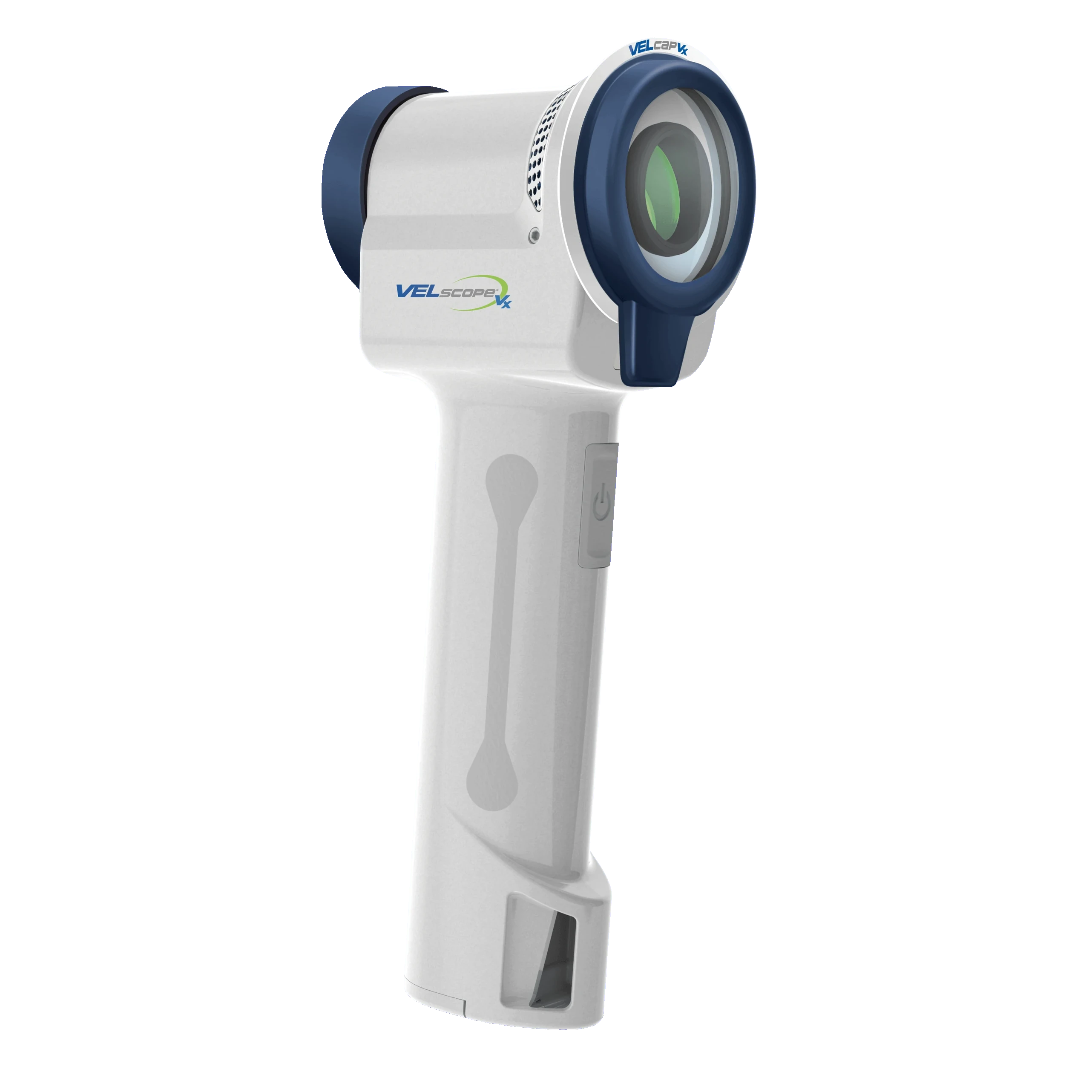
The VELScope uses ultraviolet light and a specialized filter to give dentists the ability to spot cancers that aren’t yet visible to the naked eye, allowing them to be addressed before they become a problem.

When LED MD conceived of the Velscope they knew it was a device that would matter and so it mattered that it was done right. They brought their idea to PDE and we helped them turn their vision into a reality.

‟PDE is a vital part of my product innovation team. Their inventiveness, grasp of the issues and expertise contributed significantly to the realization of the VX product, from the drawing board to the production floor.”

— Peter Whitehead, CEO and Founder, LED Dental
The Challenge

Lots of Light Means Lots of Heat

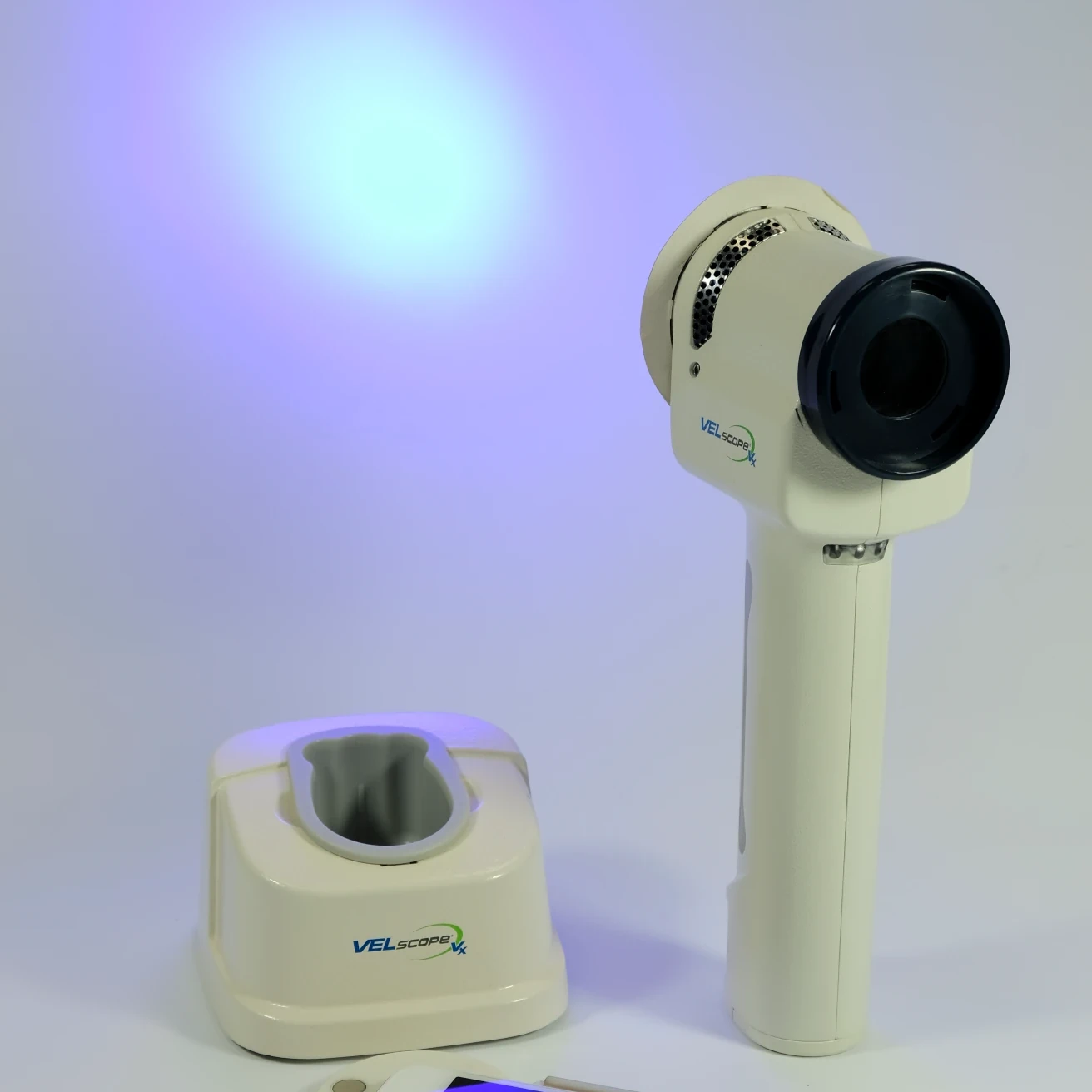
While it might not look it, because the human eye can’t see in the ultraviolet spectrum, the VELScope puts out a lot of light. And with a lot of light, comes a lot of heat.

One of the big challenges in the design of the VELScope was that the device needed to be able to dissipate the heat from its many ultraviolet LEDs, yet at the same time be small and light enough for a dentist to hold it in one hand. The previous iteration of the VELScope was clunky and required a cable to a power pack.

A further complicating factor in the VELScope’s design was that, being a medical device, the VELScope had to be easy to clean and sterilize, meaning that any heat management mechanism had to fit inside the compact form of the device and comfortably dissipate the considerable amount of heat generated by the UV LEDs, while the device is used in close proximity to a patients’ face.

An image of the VELScope Vx with it's light on.
The Solution

Optimization through Simulation

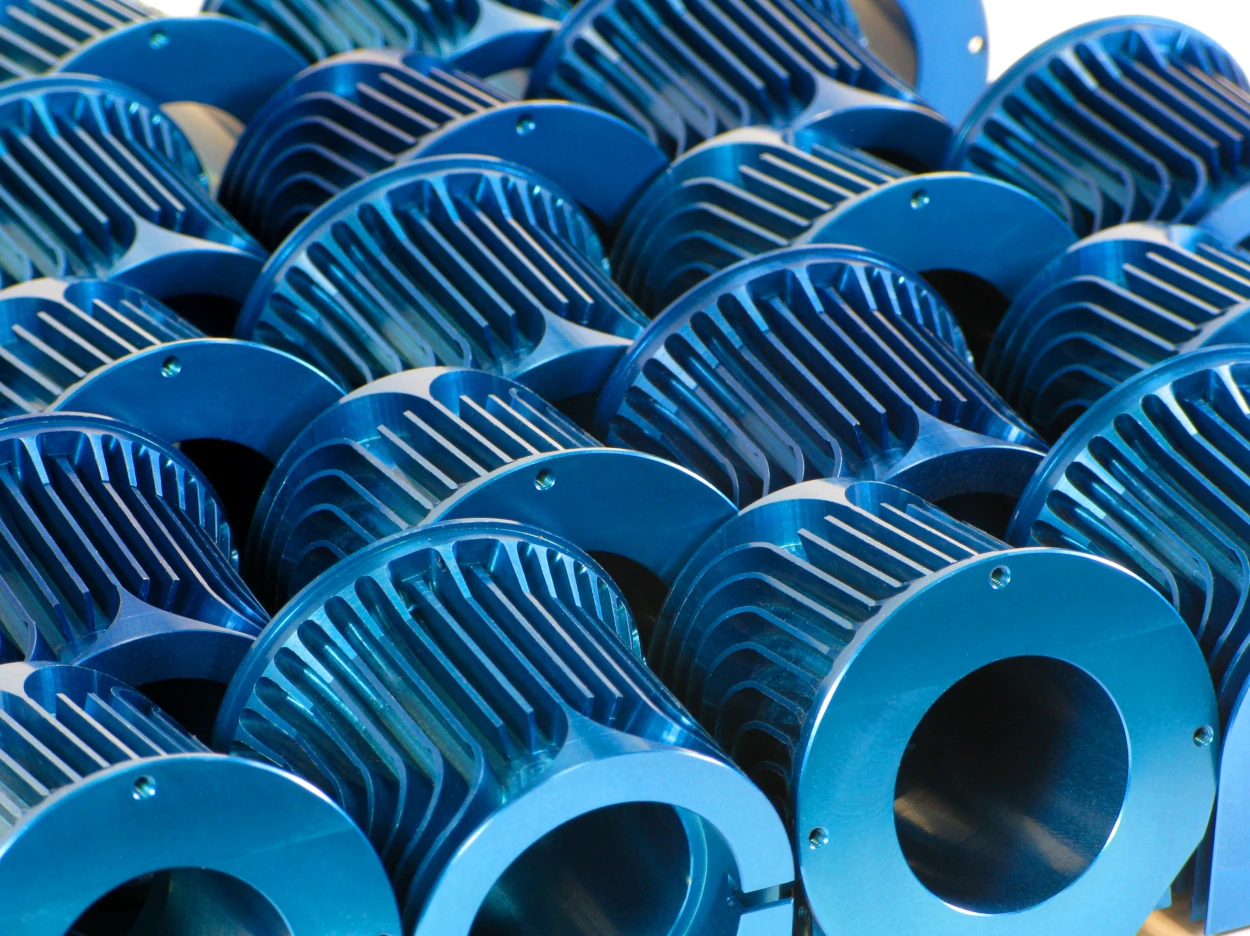
As previously mentioned, any heat management had to be achieved internal to the device while respecting the comfort of dental workers and patients. To solve this problem, PDE devised a cooling system with a custom heat sink which wrapped the cooling fins and air path around the central optical tube of the device and channelled exhaust air down through the VELScope’s handle.

This solution was extensively tested and optimized through thermal simulations before prototyping, allowing us to cut down on the number of iterations required to get the smallest, lightest product that can still produce the required light output.

Many of the VELScope's custom-machined heat sink.

The Technologies

Mechanical Design
SolidWorks Thermal Simulation 5-axis Machining
Electrical Design
OrCAD PADs Ultraviolet LEDs
Firmware and Software
C/C++ IAR